Dental bridge vs. dental crown - what’s the difference?
Patients often hear about crowns and bridges but aren’t sure which one they need. Both restore your smile, but they serve different purposes. Understanding their roles can help you make an informed decision when visiting your Carson City dentist.
What is a dental crown?
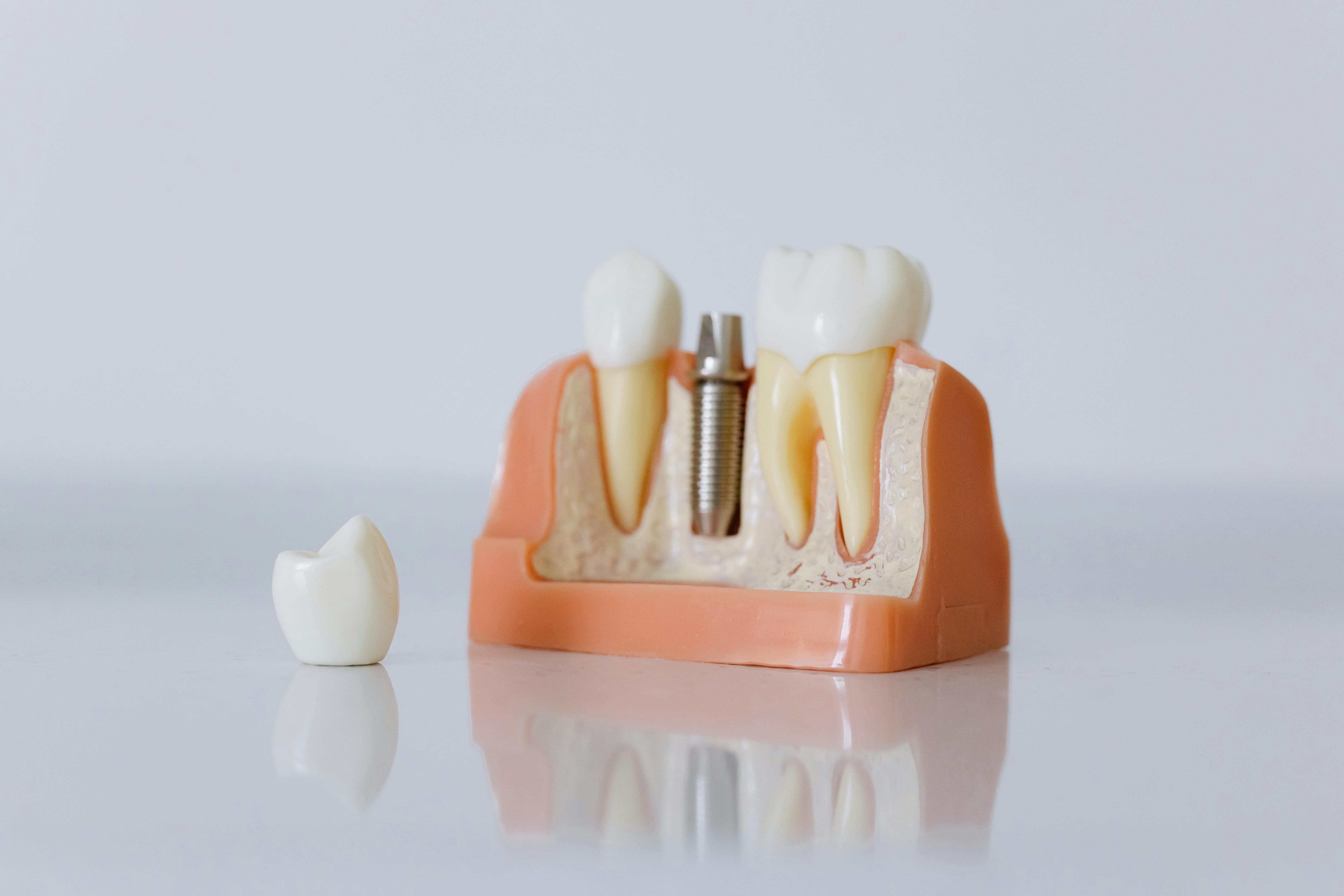
A dental crown is used to restore and protect a single damaged or weakened tooth. It acts as a cap, covering the entire visible surface of the tooth above the gumline. Crowns are custom-made from durable materials such as porcelain or zirconia, offering strength and a natural look.
Crowns are ideal when a tooth has been fractured, severely decayed, or treated with a root canal. They restore normal function and appearance without removing the tooth.
What is a dental bridge?
A dental bridge replaces one or more missing teeth. It consists of a false tooth (or teeth) called a pontic, anchored to the neighboring teeth using crowns. This “bridge” literally fills the gap in your smile.
Bridges are fixed restorations, they don’t need to be removed daily like dentures. They’re perfect for patients missing one or two teeth who want a stable, long-term solution.
If you want to learn more about how crowns protect weakened teeth, check out our blog on whether crowns ruin your teeth.
Which one is right for you?
Your dentist will help determine whether a crown or bridge is best based on your oral health, number of missing teeth, and budget. In some cases, implants may also be considered as an alternative for added stability and longevity.
At Harmony Family Dentistry, we take a personalized approach—offering crowns, bridges, and implant-supported restorations under one roof.
Caring for your bridge or crown
Both restorations require regular brushing, flossing, and checkups. Special floss threaders or interdental brushes help clean around bridges effectively. Routine visits every six months help prevent gum inflammation and decay around the supporting teeth.
If you’re considering implant-supported restorations, read our next blog on whether dental implants are painful and how we make the process completely comfortable.