Periodontal treatment in Carson City, NV
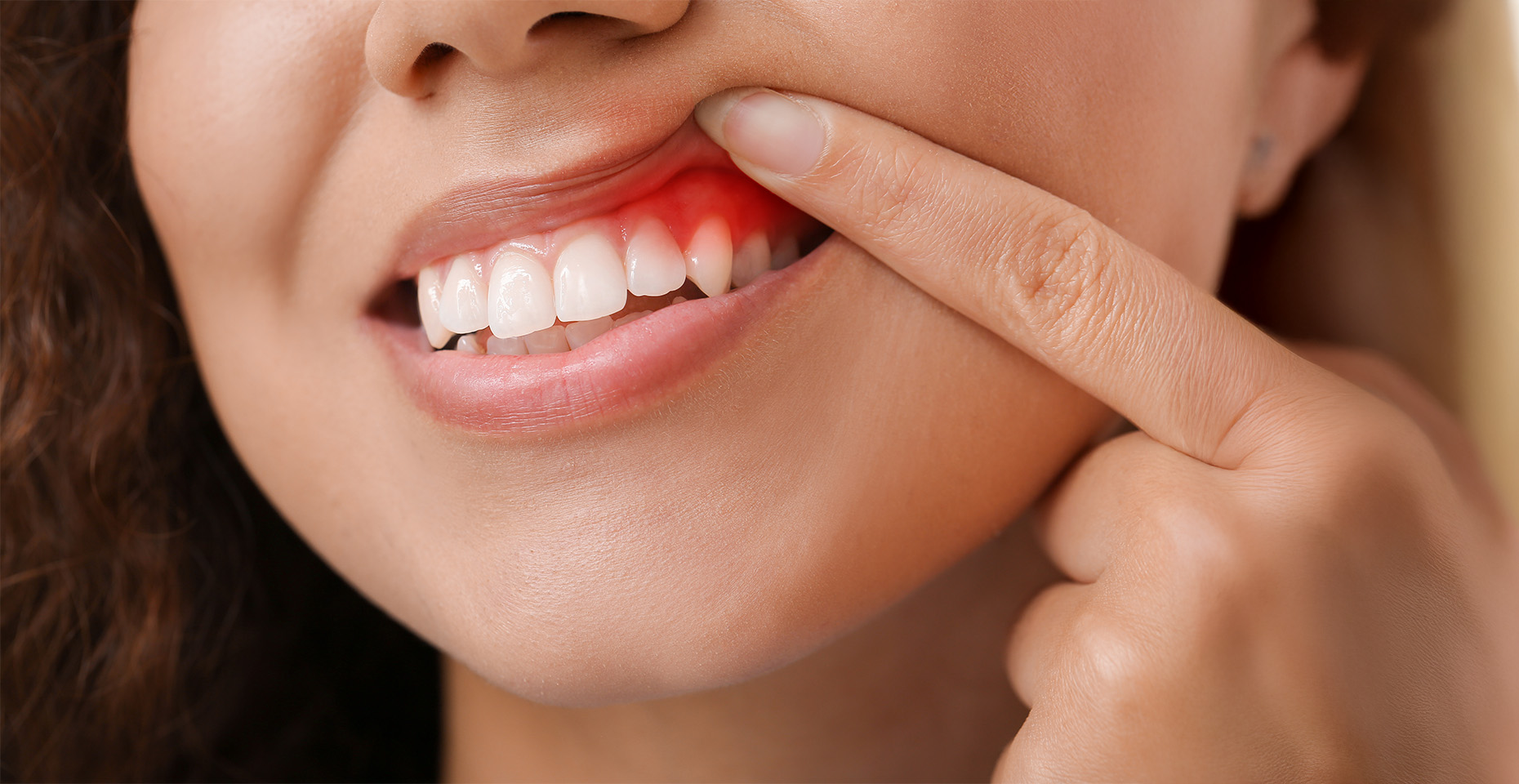

Healthy gums are essential for a strong and beautiful smile. While most people focus on keeping their teeth clean and cavity-free, and preventing tooth decay, the gums play just as important a role in oral health.
Periodontal disease, often referred to as gum disease, is an infection of the soft tissue and supporting structures that hold your teeth in place. If left untreated, gum disease can progress from mild inflammation to severe infection, leading to gum recession, bone loss, loose teeth, and even tooth loss.
What is periodontal treatment?
Periodontal treatment is the branch of dentistry focused on diagnosing, preventing, and treating gum disease, often utilizing antibiotics to manage bacterial infection and address plaque buildup. Its primary goal is to eliminate infection, reduce inflammation, preserve gum tissue, and maintain the stability of your teeth and jawbone.
The surprising fact is that nearly half of adults over 30 in the U.S. show signs of some form of gum disease, and many do not even realize it until it has reached an advanced stage. Early symptoms like bleeding gums or bad breath are often dismissed, but these are warning signs that should not be ignored.
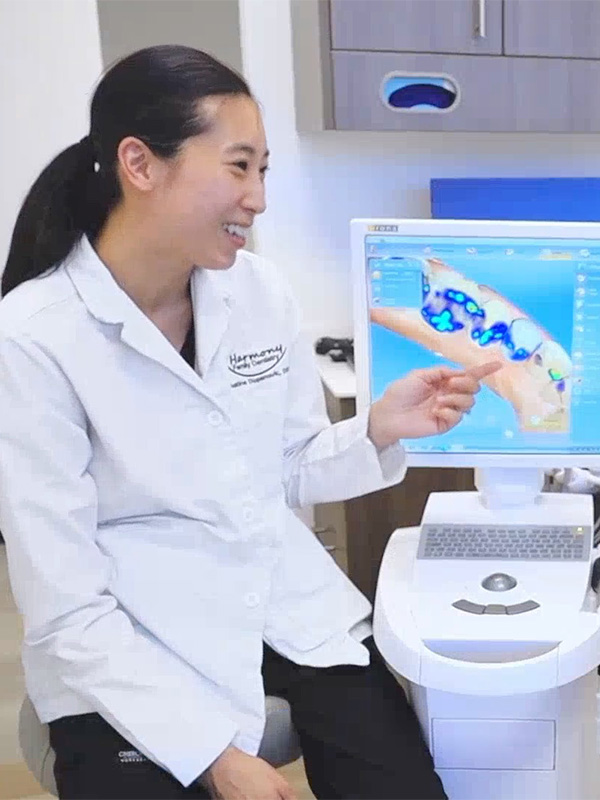
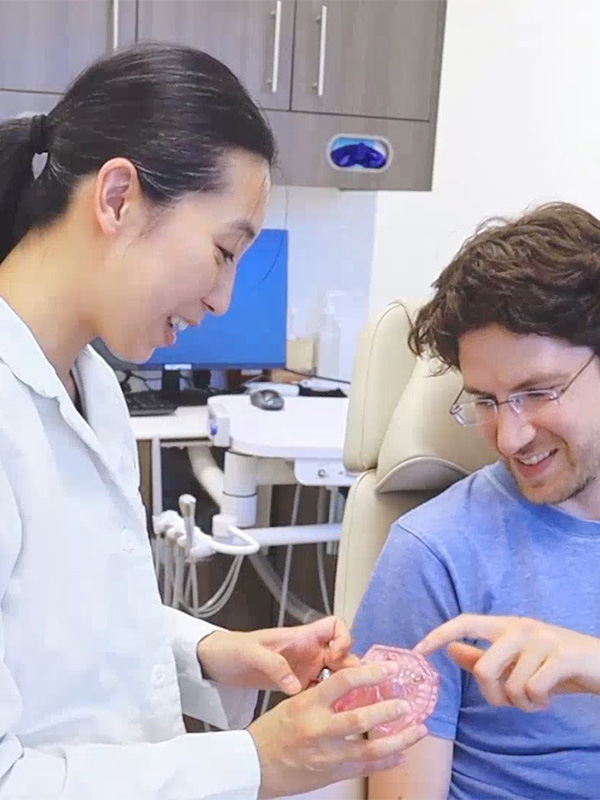
At Harmony Family Dentistry, we specialize in identifying gum problems early and offering advanced, patient-focused treatments to restore gum health. We use laser periodontal therapy as a modern, minimally invasive solution that provides faster healing, greater comfort, and long-lasting results. Whether you are experiencing the early signs of gingivitis or the more advanced stages of periodontitis, our Carson City dental team is here to provide the care you need.
Stages of periodontal disease
Understanding the progression of gum disease and its impact on oral health helps explain why timely treatment is so important.
- Gingivitis: The earliest stage, caused by plaque buildup. Symptoms include red, swollen gums that bleed easily. Gingivitis is reversible with professional dental cleaning and good oral hygiene.
- Early periodontitis: Plaque hardens into tartar below the gumline, causing pockets to form. Gums begin pulling away from teeth, and mild bone loss may occur.
- Moderate periodontitis: Infection spreads deeper into the supporting bone. Gums may recede further, and teeth can start to loosen.
- Advanced periodontitis: Severe bone and tissue destruction occurs. Teeth may shift or fall out, and extensive treatment is required to save the remaining teeth.
Treatment approaches
Periodontal treatment varies depending on the stage of disease:
- Scaling and root planing: A deep cleaning procedure that removes tartar and bacteria below the gumline while smoothing tooth roots to encourage gum reattachment.
- Laser periodontal therapy: Uses advanced dental lasers to remove diseased tissue and kill bacteria without cutting or stitching. This is the primary treatment at Harmony Family Dentistry due to its precision and comfort.
- Periodontal maintenance: After initial treatment, ongoing cleanings every 3–4 months help prevent the disease from returning.
- Surgical procedures (only when necessary): In advanced cases, gum grafts or bone grafts may be used to rebuild lost tissue.
What is laser periodontal treatment?
Laser therapy is the modern standard in gum care. The dental laser precisely targets infected tissue and bacteria while leaving healthy gum tissue untouched. This promotes natural healing and allows gums to reattach more effectively to the teeth.
Patients appreciate laser therapy because:
- There are no incisions or stitches, making it minimally invasive.
- Recovery is quicker than with traditional gum surgery.
- There is less bleeding, swelling, and discomfort during and after treatment.
- The procedure is highly precise, reducing the risk of damaging healthy tissue.
Benefits of laser gum treatment
- Minimally invasive procedure
- Shorter recovery times
- Reduced bleeding and sensitivity
- Long-term success in controlling infection
- Preservation of healthy gum tissue
Signs you may need periodontal care
You may need periodontal care if you notice any of the following:
- Gums that bleed when brushing or flossing
- Persistent bad breath or a bad taste
- Gum recession, making teeth appear longer
- Loose or shifting teeth
- Tender, swollen, or red gums
- Pus or infection near the gumline
If you are experiencing signs of gum disease, such as persistent swelling, bleeding of the gums, or plaque buildup, it may be time to consult a periodontist. A periodontist specializes in diagnosing and treating gum-related issues, offering expert care that can effectively prevent the progression of gum disease. Investing in their expertise can save not only your teeth but also improve your overall dental health.
Why treat periodontal disease early?
The earlier gum disease is treated, the better the outcome. Early treatment can:
- Prevent tooth loss and the need for replacements
- Halt bone loss in the jaw
- Improve breath and overall oral comfort
- Lower risks linked to systemic diseases such as heart disease, diabetes, and respiratory conditions
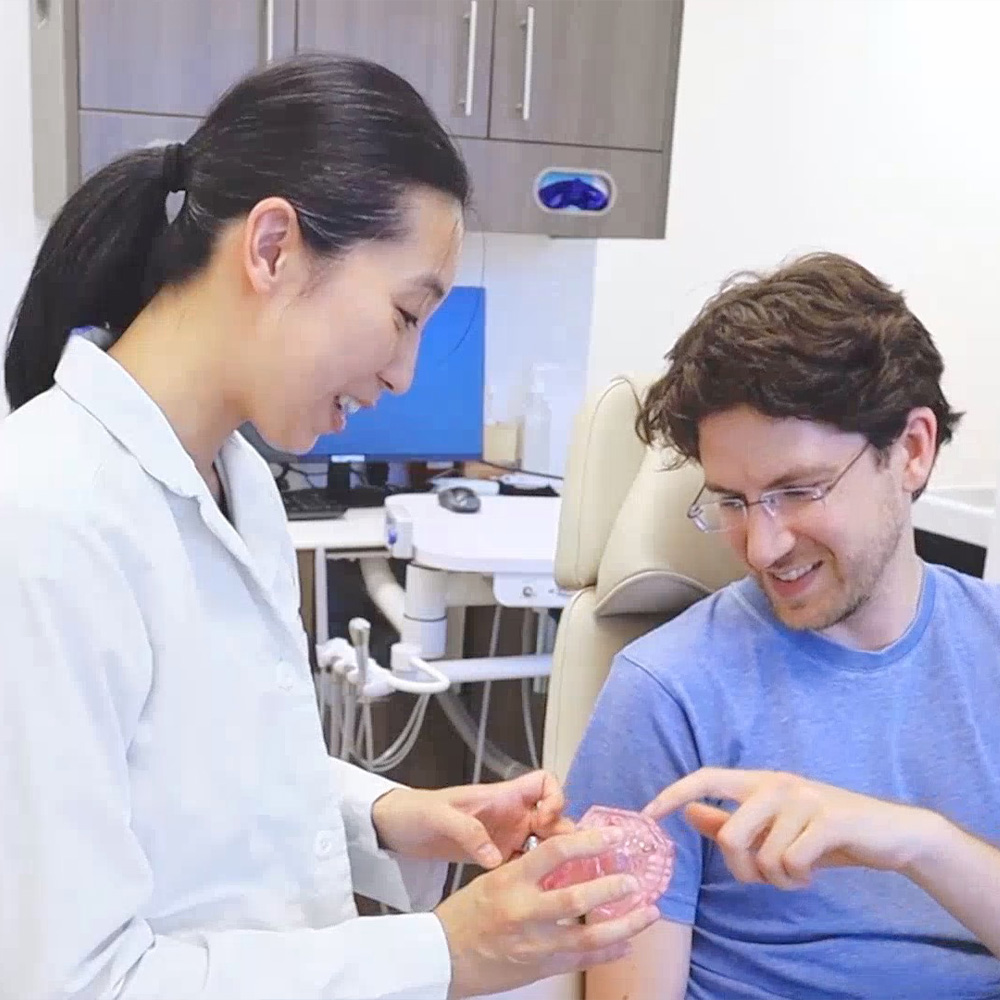


Book an appointment for periodontal treatment in Carson City, NV

Visit Harmony Family Dentistry for laser gum treatment in Carson City, NV
1. Roop & Stewart Bus Stop, just minutes from the office (10-min. walk)
2. Frontier Plaza, home to Raley’s Supermarket, CVS Pharmacy, and Subway (2-min. drive)
3. Winnie Lane Center, with San Marcos Grill, McDonald’s, and Denny’s (2-min. drive)
4. Walmart on Market St, (2-min. drive)
Visit Harmony Family Dentistry for your periodontal treatment in Carson City.
Phone: (775) 882-2290
Email: myharmonydentist@gmail.com
Address: 1749 N Stewart St #40, Carson City, NV
Choosing a Carson City periodontist ensures you have access to modern gum treatment close to home, supported by a dental team you can trust.